
15 Tips To Structure A Budget Friendly Comprehensive Benefits Package
Forbes Human Resources Council
Expert Panel
As healthcare costs continue to rise, structuring employee benefits packages becomes increasingly challenging. HR leaders must achieve the delicate balance between offering comprehensive healthcare benefits while also managing fiscal constraints.
As healthcare costs continue to rise, structuring employee benefits packages becomes increasingly challenging. HR leaders must achieve the delicate balance between offering comprehensive healthcare benefits while also managing fiscal constraints. It is especially critical for startups and growing companies, where every resource counts.
To help HR professionals negotiate the "win-win" of serving employees without breaking the bank, the members of Forbes Human Resources Council share their expert advice. From leveraging nontraditional benefits to partnering with a Professional Employer Organization (PEO) service, these strategies can help HR teams develop benefits packages that meet both financial and employee health needs.
Segment Benefits By Employee Sector
Modiri Nlanda, Orange Botswana: "Segment employees and offer benefits that are a need to that segment Gen Zs, employees nearing retirement, maternity needs or employees living with chronic illnesses. That way, the business pays for what the employees need and can cut some costs as compared to a blanket approach, where some employees never use their benefits."
Get Creative With Nontraditional Offerings
Leadership can get creative with their offerings and target the needs of their company's unique employee composition. Some companies, especially startups, may be comprised of a younger workforce that values wellness and education stipends over extensive health plans.
Use Data To Assess Employees' Needs
Data is key to striking a balance in employee benefits. Leaders should look at employee feedback, enrollment and participation data that show where employees might be struggling. Benefits are the No. 2 reason employees stay or leave a company.
Explore Flexible Benefits Plans
Benefits should align with the needs and interests of a new and diverse employee population. Traditional packages that offer the same benefits to all employees are not very relevant to the new generations.
Originally published in Forbes Human Resources Council on 15 March 2024.
Read original source →More Insights
View all →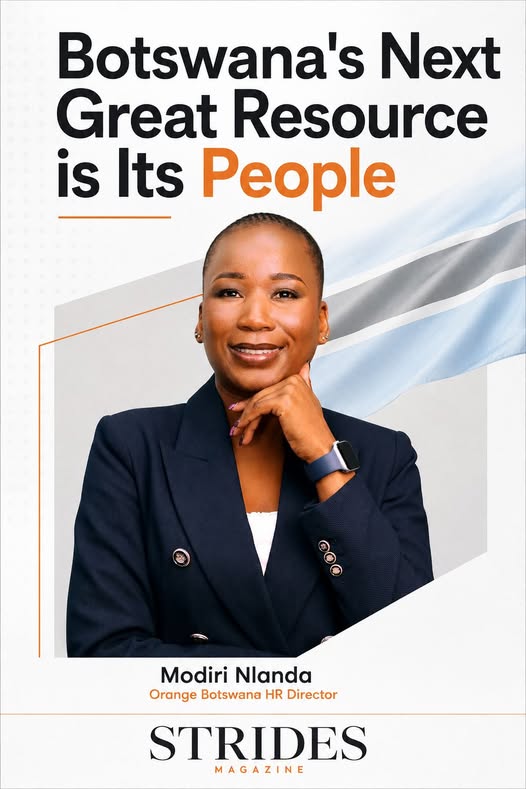
Botswana's Next Great Resource is Its People
The next chapter of Botswana's story will not be defined by the resources we discover, but by the people we develop.
Read more →
Career Pivots: What You Really Need to Know
Career pivots are often framed as simple moves, but in reality they demand preparation, credibility, and precise timing.
Read more →
20 Simple Gestures HR Teams Shouldn't Overlook This Holiday Season
Demonstrating gratitude towards teams is not only a seasonal tradition but also a powerful way to boost morale and strengthen employee engagement.
Read more →